 ultimate-guide
Is LASIK Surgery Safe for Everyone?
Table of Contents
- What LASIK Surgery Is and How It Works
- LASIK Candidacy Requirements and Who Should Consider It
- LASIK Surgery Side Effects and Known Risks
- Success Rates and Long-Term Effectiveness
- Why Some People Are Not Candidates for LASIK
- Alternatives to LASIK Surgery for Vision Correction
- Recovery, Lifestyle Adjustments, and Post-Operative Care
- Is LASIK Surgery Safe for Your Situation?
- Frequently Asked Questions
Last Updated: September 20, 2026
What LASIK Surgery Is and How It Works
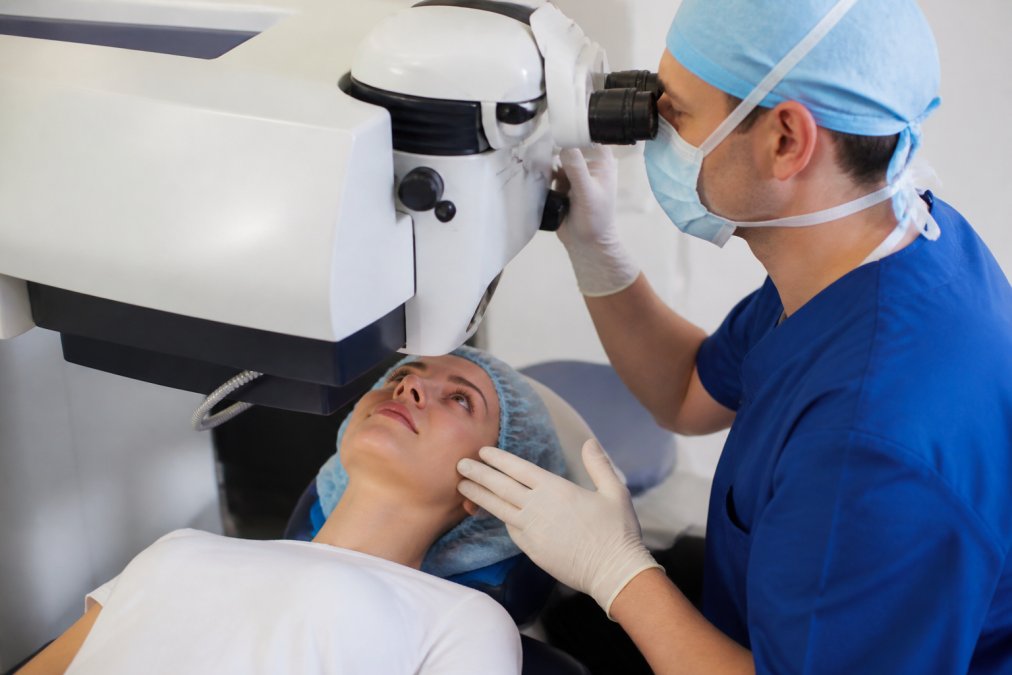
LASIK surgery is a refractive surgery procedure that uses a laser to reshape the cornea, correcting vision problems like myopia, hyperopia, and astigmatism. The procedure involves creating a thin corneal flap, then using an excimer laser to remove microscopic amounts of corneal tissue beneath the surface. The flap is then repositioned, and the cornea heals naturally without stitches.
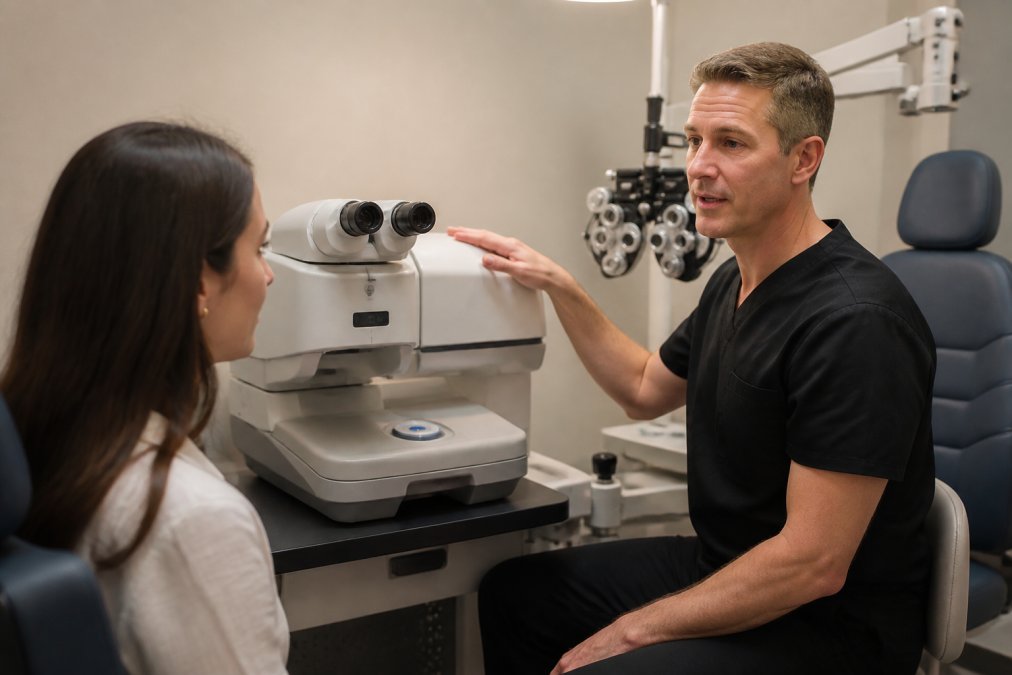
The entire procedure typically takes about 15 minutes per eye. Most patients experience improved visual acuity within 24 hours, though complete healing and vision stabilization can take several weeks. At RAGSDALE VISION CENTER, our board-certified optometrists provide thorough LASIK consultations to help patients understand exactly what to expect during and after the procedure.
The technology behind LASIK has evolved significantly. Modern systems use wavefront-guided technology and femtosecond lasers to achieve unprecedented surgical precision. However, is lasik surgery safe for everyone? That's the critical question, because candidacy depends on multiple factors beyond just wanting better vision.
LASIK Candidacy Requirements and Who Should Consider It
Not everyone is a good candidate for LASIK surgery. Successful outcomes depend on meeting specific medical and anatomical criteria that your ophthalmologist will evaluate during a comprehensive screening.
You're generally a good candidate if you meet these requirements: stable vision prescription for at least one year, corneal thickness of at least 480 micrometers, healthy corneas with no disease, age 18 or older, and realistic expectations about outcomes. Most candidates fall between ages 20 and 40, when vision has typically stabilized and age-related changes haven't yet become a factor.
Your refractive error must fall within treatable ranges. The treatable ranges for refractive error vary by technology and surgeon experience. Patients with mild to moderate refractive errors typically see the best results.
Pre-existing eye conditions matter significantly. If you have dry eye syndrome, glaucoma, cataracts, or corneal disease, LASIK may not be appropriate. Certain systemic conditions like uncontrolled diabetes, autoimmune diseases, or immunodeficiency disorders can compromise healing and increase complication risk. Pregnancy and breastfeeding are temporary contraindications because hormonal changes can affect vision stability.
| Candidacy Factor | Acceptable | Not Acceptable |
|---|---|---|
| Vision stability | Same prescription for 12+ months | Changing prescription |
| Corneal thickness | 480+ micrometers | Less than 480 micrometers |
| Eye health | No disease or infection | Active dry eye, glaucoma, or infection |
| Age | 18-65 years | Under 18 or extreme presbyopia |
| Refractive error | Mild to moderate | Extreme myopia or hyperopia |
| Systemic health | Stable, no immunodeficiency | Uncontrolled diabetes, autoimmune disease |
LASIK Surgery Side Effects and Known Risks
Every surgical procedure carries risks. Understanding potential complications is essential before deciding whether is lasik surgery safe for your specific situation.
Common temporary side effects typically resolve within weeks. Dry eye syndrome is the most frequent complaint, affecting many patients in the first few months after surgery. You may experience fluctuating vision, halos around lights at night, glare, difficulty with night vision, and mild discomfort. These usually improve as the cornea continues healing.
More serious but rare complications can occur. Epithelial ingrowth, where cells grow beneath the corneal flap, happens in fewer than 1% of cases but may require retreatment. Corneal ectasia, a progressive thinning and weakening of the cornea, is the most concerning long-term risk. This occurs when too much corneal tissue is removed, compromising structural integrity. Infection, though uncommon with modern sterile techniques, remains a possibility. Vision loss or undercorrection requiring additional surgery can happen if the laser removes insufficient tissue.
Some patients experience permanent changes in visual quality. Night vision problems including halos and glare can persist long-term for a small percentage of patients. Reduced contrast sensitivity, the ability to distinguish objects in low light, may occur. A small number of patients report chronic pain or persistent dry eye lasting months or years.
The risk of serious complications increases with certain factors: extreme refractive errors requiring aggressive tissue removal, thin corneas, large pupils, or pre-existing dry eye. This is why thorough candidate screening is non-negotiable. At RAGSDALE VISION CENTER, our thorough LASIK consultations include an evaluation process to identify patients at higher risk.
Success Rates and Long-Term Effectiveness
Most patients who undergo LASIK achieve significant vision improvement. Reported success rates for LASIK vary by refractive error severity.
Patient satisfaction tends to be high among appropriate candidates. Many report life-changing improvement in quality of life, freedom from glasses or contacts, and enhanced athletic or professional performance. Long-term studies show that vision correction remains stable for most patients years after surgery.
However, success depends heavily on realistic expectations and proper candidacy selection. Patients with extreme refractive errors or thin corneas may not achieve perfect vision. Some experience undercorrection and require enhancement procedures. Others find that presbyopia, age-related difficulty focusing on near objects, eventually necessitates reading glasses even after successful distance vision correction.
The procedure is considered permanent in terms of the corneal reshaping itself. The cornea doesn't "revert" to its original shape. However, natural age-related vision changes continue. Presbyopia typically begins around age 40-45 regardless of prior LASIK. Some patients experience gradual regression of their correction over many years, though this is less common with modern techniques.
Why Some People Are Not Candidates for LASIK
Understanding why certain patients shouldn't pursue LASIK helps clarify what makes is lasik surgery safe for everyone such a nuanced question.
Thin corneas are a primary disqualifier. If your corneal thickness is below 480 micrometers, removing tissue for LASIK creates unacceptable risk of ectasia. These patients should explore alternative procedures like PRK (photorefractive keratectomy) or implantable contact lenses instead.
Unstable vision prescriptions mean your eyes are still changing. If your refractive error has shifted within the past year, waiting is necessary. Attempting LASIK on an unstable prescription leads to undercorrection or overcorrection. Young patients and those with certain conditions causing progressive myopia need to delay surgery until vision stabilizes.
Severe dry eye disease is a contraindication. LASIK temporarily worsens dry eye by disrupting corneal nerve function. Patients with pre-existing severe dry eye may experience debilitating symptoms post-operatively. These patients need aggressive dry eye treatment first, or should consider alternatives.
Certain systemic diseases create excessive surgical risk. Uncontrolled diabetes impairs wound healing and increases infection risk. Autoimmune conditions like rheumatoid arthritis or lupus compromise the immune response needed for proper healing. Immunodeficiency disorders similarly interfere with recovery. Patients with these conditions should discuss alternatives with their ophthalmologist.
Extreme refractive errors may exceed what LASIK can safely correct. Very high myopia (beyond -12 diopters) or hyperopia (beyond +6 diopters) requires removing so much corneal tissue that structural integrity becomes questionable. These patients often benefit more from implantable lenses or other procedures.
Unrealistic expectations are a psychological contraindication. Patients expecting perfect vision in all conditions, or those hoping LASIK will solve presbyopia, will likely be disappointed. Honest discussion about what LASIK can and cannot achieve is essential before proceeding.
Alternatives to LASIK Surgery for Vision Correction
For patients who aren't candidates for LASIK, several alternative procedures offer vision correction.
PRK (photorefractive keratectomy) uses the same excimer laser technology as LASIK but without creating a corneal flap. Instead, the outer corneal layer is removed and the laser reshapes the underlying tissue directly. PRK works well for patients with thin corneas and may carry lower ectasia risk. Recovery takes longer, typically 3-7 days for initial healing and several weeks for vision stabilization, but many consider this acceptable for the added safety margin.
Implantable contact lenses (ICLs) are surgically placed inside the eye in front of the natural lens. These work exceptionally well for patients with extreme refractive errors or thin corneas. The procedure is reversible, and the lens can be removed or replaced if needed. However, ICLs carry different risks including cataract development and require ongoing monitoring.
Refractive lens exchange involves replacing your natural lens with an artificial intraocular lens corrected for your refractive error. This approach works particularly well for patients approaching presbyopia age or those with early cataracts. It's permanent and can't be reversed, but provides excellent long-term vision correction.
Corneal cross-linking is used primarily for keratoconus or corneal ectasia, strengthening the cornea through chemical and ultraviolet treatment.
Recovery, Lifestyle Adjustments, and Post-Operative Care
Understanding what recovery actually involves helps patients prepare mentally and practically for life after LASIK.
Is LASIK Surgery Safe for Your Situation?
The answer to whether is lasik surgery safe for everyone is definitively no, but it can be very safe for the right candidates. Safety depends entirely on matching the procedure to appropriate patients through rigorous pre-operative evaluation.
Frequently Asked Questions
Who should not get LASIK surgery?
LASIK is not appropriate for people with thin corneas, certain eye diseases like keratoconus, unstable vision prescriptions, severe dry eye syndrome, or active corneal infections. Pregnant or nursing women should delay the procedure. Those with uncontrolled diabetes, autoimmune disorders, or taking medications that affect healing may not be candidates. A comprehensive evaluation by a qualified ophthalmologist determines individual eligibility based on corneal thickness, refractive error measurements, and overall eye health.
What are the most common risks and side effects of LASIK surgery?
Common temporary side effects include dry eye symptoms, glare, halos around lights at night, and mild discomfort during healing. More serious but rare complications include corneal ectasia (progressive weakening of the cornea), epithelial ingrowth, and permanent vision loss. Undercorrection or overcorrection may require additional procedures. Most side effects resolve within weeks to months, but some patients experience persistent dry eye or night vision disturbances. Your ophthalmologist will discuss your individual risk profile during candidacy screening.
What happens to vision after LASIK as you age?
LASIK provides permanent correction of the refractive error present at the time of surgery. However, presbyopia, age-related difficulty focusing on close objects, typically develops in your 40s regardless of prior LASIK. Some patients may experience gradual vision changes over decades, though regression of the original correction is uncommon. If you have LASIK in your 20s or 30s, you may eventually need reading glasses or monovision correction. Your ophthalmologist can discuss long-term vision expectations during your consultation.
How do I know if I'm a good candidate for LASIK?
Good candidates typically have stable vision prescriptions for at least one year, adequate corneal thickness (measured by pachymetry), healthy eyes free from disease, realistic expectations about outcomes, and are at least 18 years old. You should be in good overall health without conditions that impair healing. A thorough candidacy evaluation includes corneal mapping, visual acuity testing, and detailed eye health assessment. Schedule a consultation with a board-certified optometrist to review your specific situation and determine if LASIK is appropriate for you.